Ending the Homelessness Crisis
Having grown up in the San Fernando Valley in Los Angeles, homelessness has always been an issue that I was aware of, but I don't remember it being as visible as it is today. Recent counts put the number of the unhoused in Los Angeles County at about 60,000. That is a lot of people.
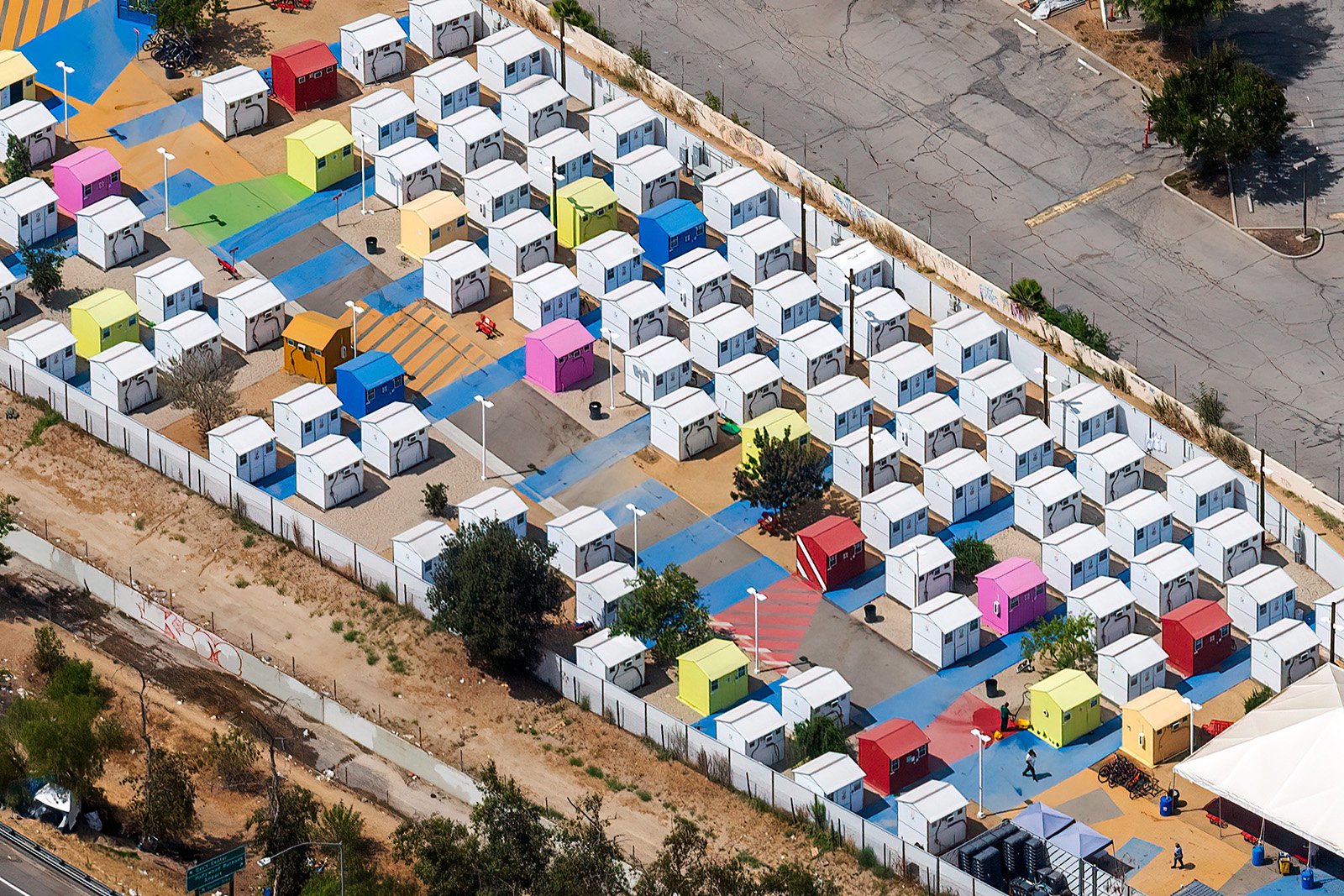
While on flights over the last few years, I’ve started noticing these clusters of small structures popping up throughout the city, part of city efforts to address homelessness through temporary housing. They looked like tiny homes, in gated villages, and were often painted in bright colors, which I heard was a design choice that creates a stronger sense of community and a more welcoming environment. I’ve never seen any of these tiny home villages while driving around, but from the air they are definitely noticeable.
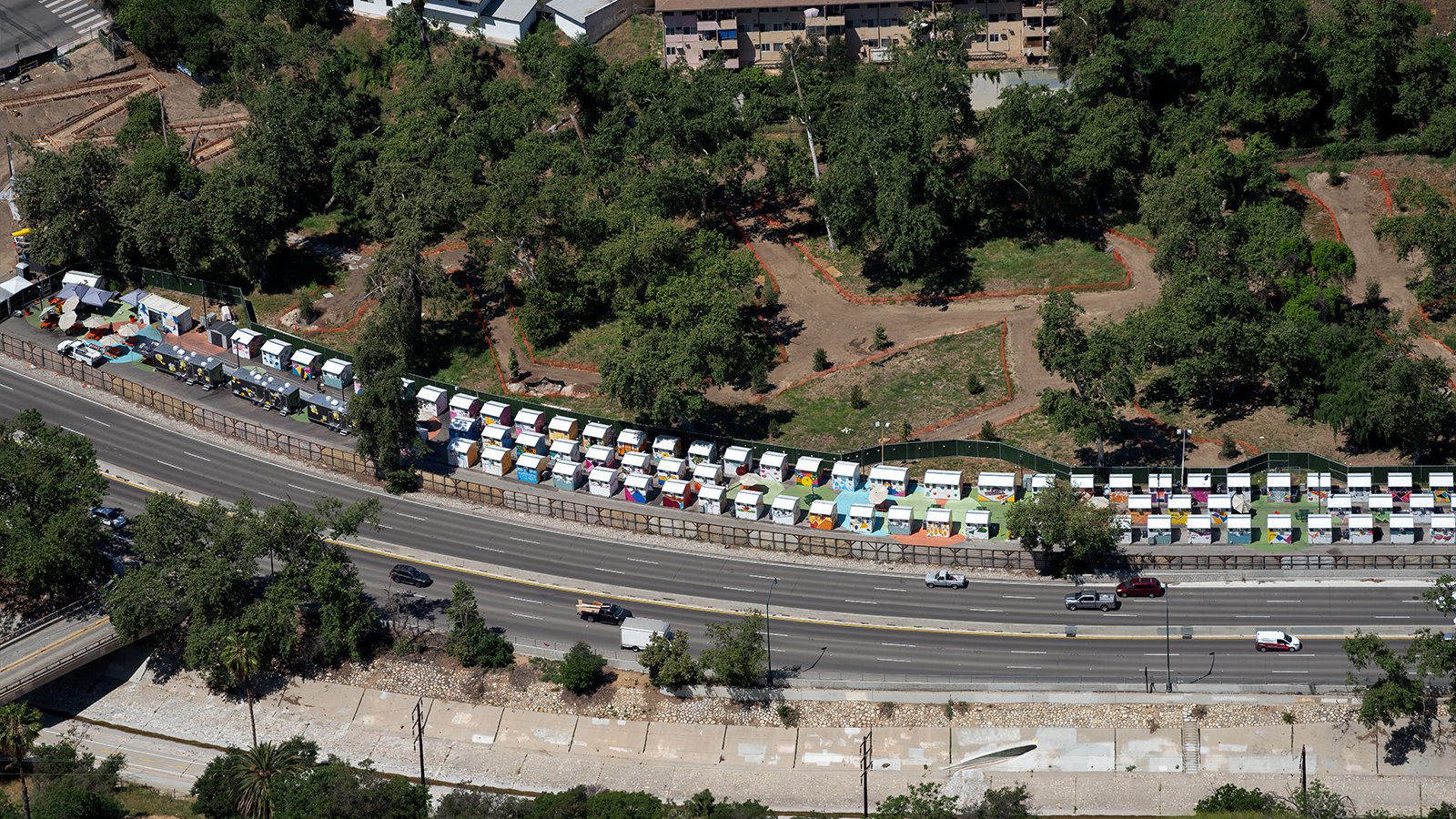
Arroyo Seco Tiny Home Village in Highland Park, California, features over 117 units and 224 beds, providing vital transitional housing funded by the City of Los Angeles as part of the city's comprehensive tiny home village initiative to combat homelessness.
So what are they? Understanding Permanent Housing Options
They are Hope of the Valley Rescue Mission‘s Tiny Home Villages, a transitional housing and temporary housing model for individuals experiencing homelessness. It allows a place where many residents can stay for free while working towards permanent housing. With 6 new tiny home villages in total (so far), Hope of the Valley Rescue Mission and the City of Los Angeles have been able to provide over 1,000 beds. The nonprofit also serves three meals per day and housing specialists offer assistance with intakes and placements to help residents transition into permanent housing. These interim homeless housing communities, composed of hundreds of 64 sq ft structures, allow tiny home residents to take advantage of meals, case management, mental health services, housing navigation, job training and placement. It provides an immediate pathway for the homeless community to break the cycle of living on the streets and find permanent, stable housing.
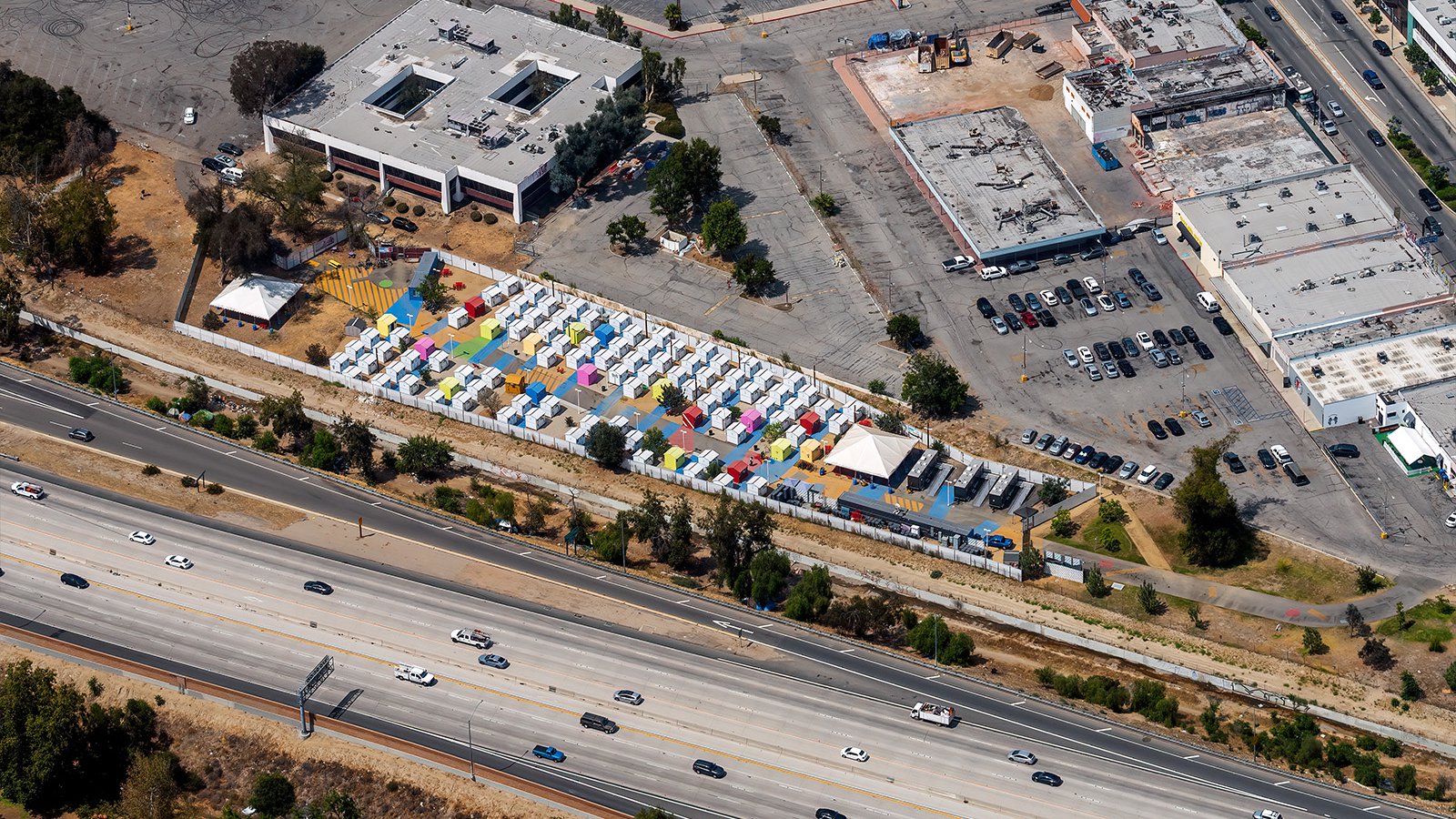
Alexandria Park Tiny Home Village in North Hollywood, California, is California's largest transitional housing community for the homeless, featuring 103 bright, secure tiny homes with two beds each, air conditioning, and locking doors, set in a park-like environment with mature oak trees, communal hygiene trailers, and 24/7 security, offering residents a safe pathway toward permanent housing.
Completed in just a few months and funded entirely by the City of Los Angeles, the Alexandria Park Tiny Home Village in North Hollywood is California’s largest transitional housing community for people experiencing homelessness. Officially opened on February 1st, 2021, this $8.6 million project features 103 brightly colored, secure tiny homes arranged like a residential neighborhood along a main path within a park setting that preserves mature oak trees and outdoor spaces. Each shelter includes two beds, air conditioning, locking doors, and multiple windows for light and ventilation, and provides residents with privacy and a sense of ownership. Communal facilities include three hygiene trailers with 15 bathrooms, showers, and laundry services, while 24/7 professional security ensures safety. Residents must adhere to curfews and prohibitions on drugs and weapons, with lockers available for restricted items, and they are also allowed to keep pets. Designed to house up to 200 residents, the village offers a supportive, park-like environment that serves as a vital bridge to permanent housing.
The goal is for residents to move from this job center-oriented support model into permanent housing in about six months. Although intended as a 90-day bridge, stays often extend to 4-5 months because affordable housing remains so limited.
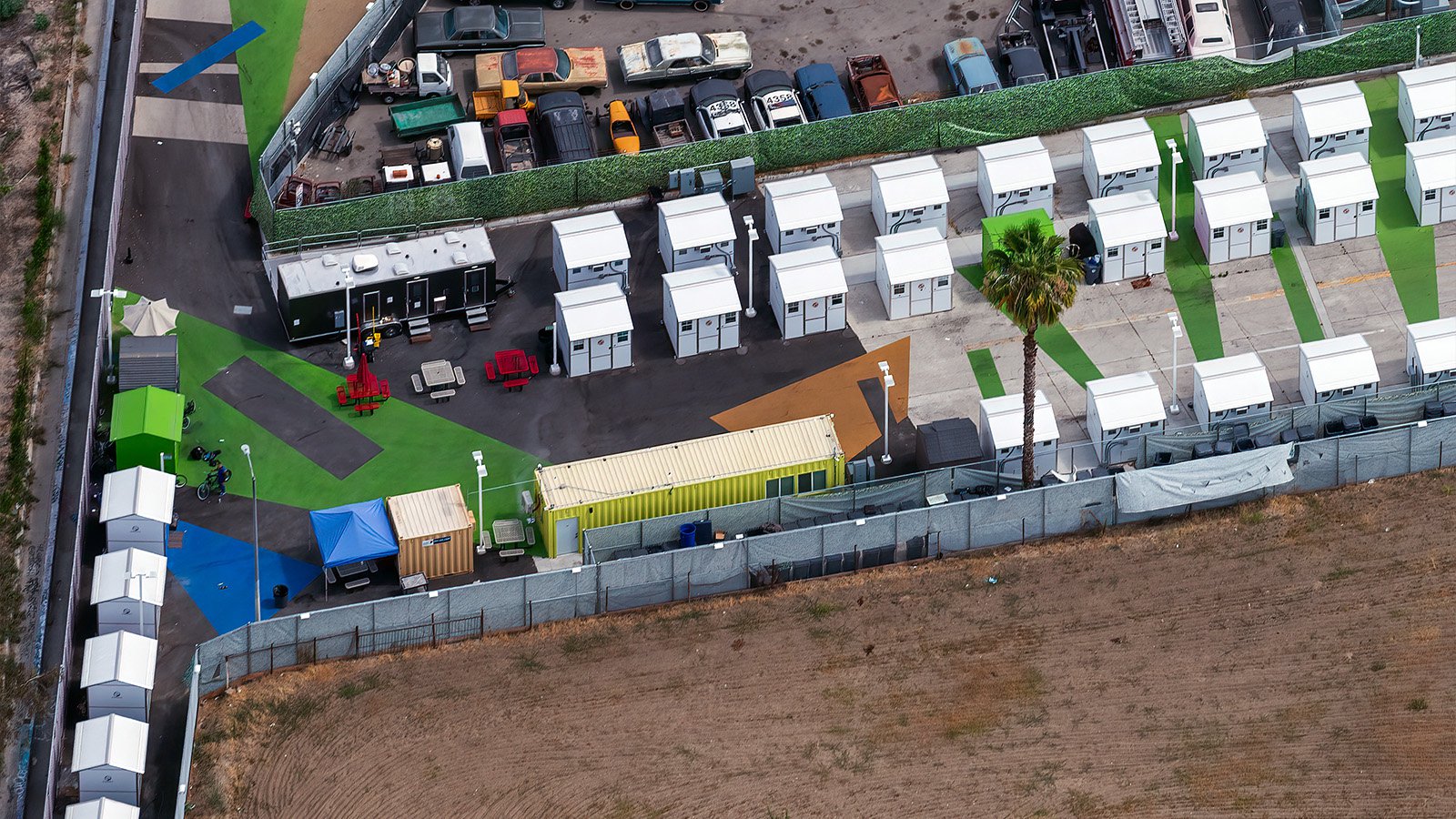
Located just off the 170 freeway, the Whitsett West Tiny Home Village features 77 units and 150 beds, providing vital interim housing that supports over 600 unhoused Angelenos annually on their journey from the streets to permanent housing.
The Whitsett West and Arroyo Seco Tiny Home Villages are key components of Los Angeles' comprehensive approach to addressing homelessness through transitional housing. Whitsett West, located just off the 170 freeway in North Hollywood, offers 77 tiny houses with 150 beds, serving over 600 unhoused individuals annually by providing supportive services and a pathway to permanent housing. Arroyo Seco, situated in Highland Park, features over 117 units and 224 beds, funded and built by the City of Los Angeles as part of a network of six tiny home villages. Both villages include communal amenities such as laundry facilities, hygiene trailers, and ample congregation spaces, creating safe, supportive environments that foster community and stability for residents as they work toward permanent housing solutions.
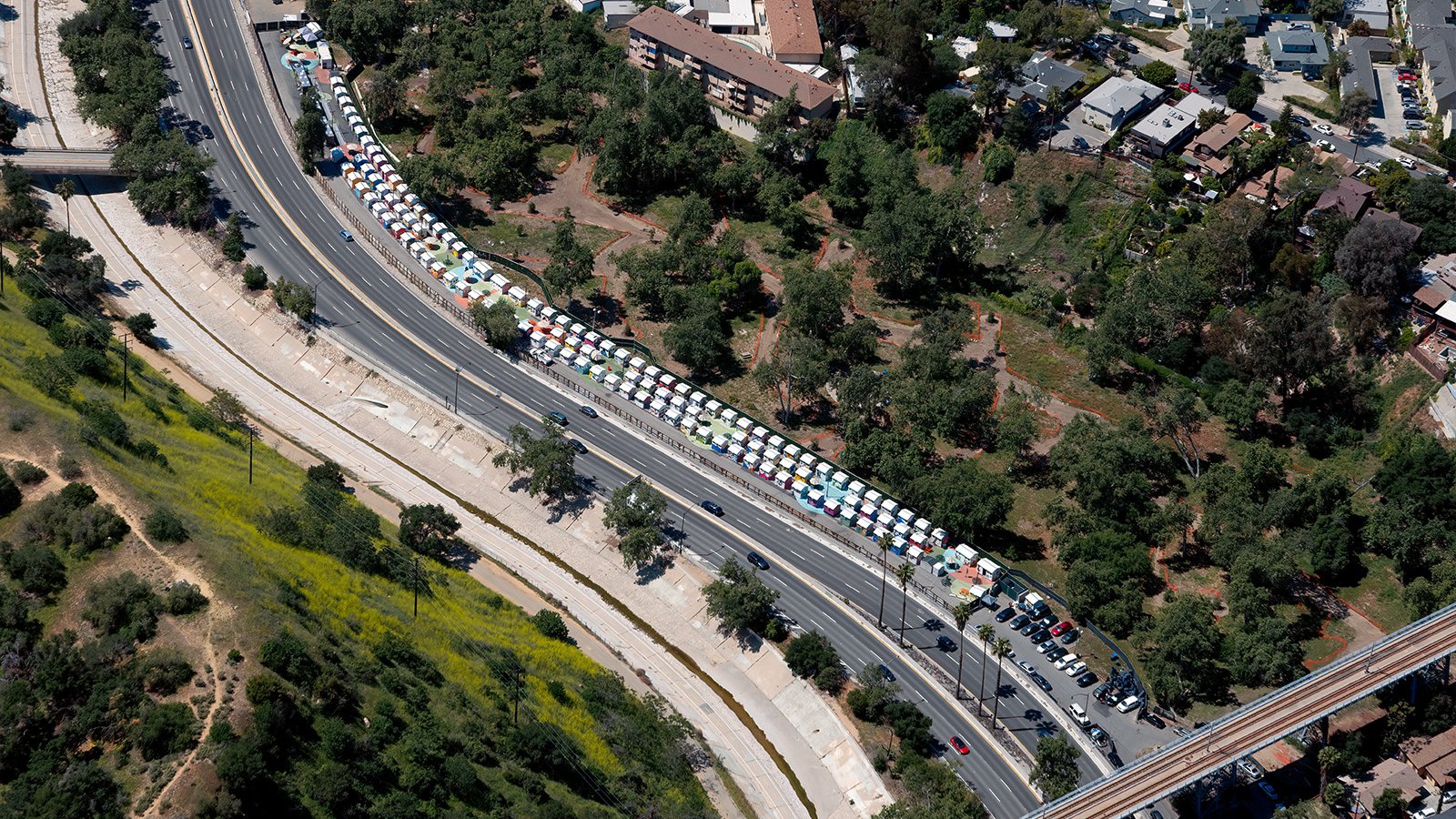
The City of Los Angeles built and funded the Arroyo Seco Tiny Home Village, featuring 117+ units and 224 beds as part of six tiny home villages providing transitional housing.
Building a Pathway to Stability and Renewal
By investing in housing solutions like the Alexandria Park Tiny Home Village and other transitional communities, the City of Los Angeles is making significant strides in reducing homelessness. These tiny home sites not only offer secure shelter but also connect residents with essential services such as case management, job training, and mental health support. This comprehensive approach is key to empowering the unhoused, giving them the safety and dignity needed to rebuild their lives. With a focus on improvement, while fostering community and self-sufficiency, the city’s efforts create a supportive environment where individuals can regain their independence and become productive members of society. Through thoughtful construction, strategic location choices, and partnerships with builders and service providers, these villages represent a hopeful idea that addresses both immediate needs and long-term solutions for homelessness in Los Angeles.